
Vikings Draft Grades Keep Saying the Same Thing


When the NFL draft wound down last Saturday, most Minnesota Vikings fans left the event enthused about the haul of rookies and the future. But according to most NFL pundits, the draft inspired a widespread sentiment: meh.
Minnesota’s new class has size, traits, and plenty to prove after a quiet weekend.
The sentiment regarding Minnesota’s draft class generally fetched ‘C’ grades.
National Analysts Take a Wait-And-See View on Minnesota’s Rookies
The group will just have to prove everyone wrong.
ESPN: It’s a ‘C’ for the Vikings Draft Class
Mel Kiper Jr. ranked Minnesota near the bottom section of his draft grades — not a good place to be — and handed the purple team a ‘C’ mark for its troubles.
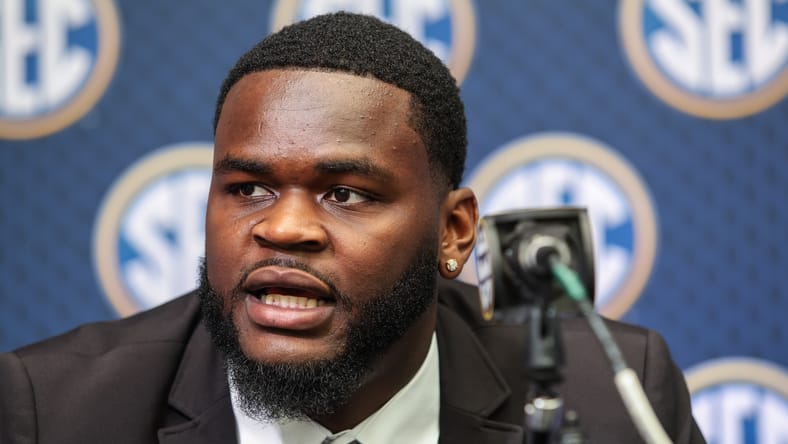
He explained, “Caleb Banks is a good player. He can wreak havoc on opposing linemen and has legit burst to affect the quarterback in the pocket as an interior pass rusher (4.5 sacks in 2024). He’s at his best as a run stuffer, closing gaps with his 6-foot-6, 327-pound frame, and he brings scheme versatility to the table.”
“But his left foot has been a major problem. He broke it early last season and was limited to three games. Then he broke it again at the combine, requiring surgery and putting him on the sideline until at least June. That was enough to push him down the Big Board a little bit. I had him ranked 62nd, so taking him at No. 18 was too rich.”
If Kiper Jr. felt in his heart of hearts that Banks was the 62nd-best player in the draft, he must’ve thought the Vikings were utterly nuts to pick him at No. 18.
Kiper Jr. added, “I was mostly surprised Minnesota passed on safety Dillon Thieneman, but even among the defensive tackles, I had four guys ranked higher, starting with Peter Woods and Kayden McDonald. Minnesota did take a safety in Jakobe Thomas late in Round 3, and he can create takeaways, with five INTs in 2025. It doubled up on defensive tackle with Domonique Orange and picked up linebacker depth with Jake Golday.”
“But my favorite pick of Day 2 was Caleb Tiernan. I had him ranked 47 spots higher than his draft slot, and he is a massive 6-foot-8, 323-pounder with a ton of experience (44 starts, mostly at left tackle). Overall, Minnesota just didn’t do enough to move the needle.”
Kiper Jr. claimed the Cleveland Browns, Las Vegas Raiders, Philadelphia Eagles, and Dallas Cowboys had the top rookie classes, assigning them ‘A’ grades.
Fox Sports Too
Middling grades weren’t reserved for ESPN. Fox Sports dropped a ‘C+’ on Kevin O’Connell’s team.
Rob Dang opined, “After moving on from veterans Javon Hargrave and Jonathan Allen, the Vikings added two prospects who might prove immediate upgrades in Caleb Banks and Domonique Orange, sandwiched around a do-it-all linebacker in Jake Golday, whose size and speed could make him a star in Brian Flores’ system.”
“Safety Jakobe Thomas gives Florida a foursome of possible rookie standouts with each offering undeniable upside. Each also, however, carries significant risk, with Banks struggling with durability, Golday and Thomas flashier than finished products, and Orange a bit of a one-trick pony as a run-specialist.”
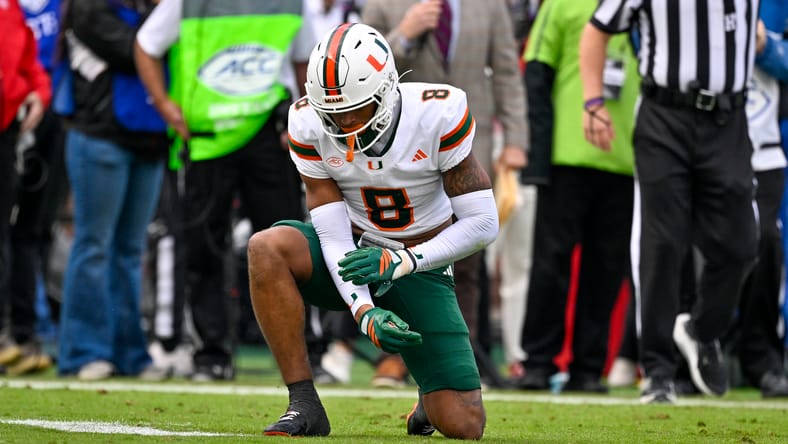
Thomas specifically arrived from the fruit of the Jonathan Greenard trade, in addition to another 3rd-Rounder next year.
Dang concluded, “Similarly, while I like OL Caleb Tiernan’s toughness and think he has the core strength to handle the anticipated move inside, it will be hard for Kyler Murray (or JJ McCarthy) to throw over the top of him, given his nearly 6-foot-8 frame. This is a class that could pay off big — or completely flop.”
NFL.com’s Take
Chad Reuter was kinder, handing Minnesota a ‘B’ for its troubles. He noted on the late-round selections: “I love Bredeson going to the Vikings as a potential replacement for valued fullback C.J. Ham, who retired this year, though Bredeson was picked a bit earlier than I thought he’d be, given his injury history and the position’s value.”
“The fifth-rounder received from Philadelphia for quarterback Sam Howell turned into an excellent value in Demmings, who has the size and athleticism to be an NFL starter despite the lower level of competition he faced in college.”
Demmings instantly slides onto Minnesota’s roster as the CB4 behind Byron Murphy Jr., Isaiah Rodgers, and James Pierre.
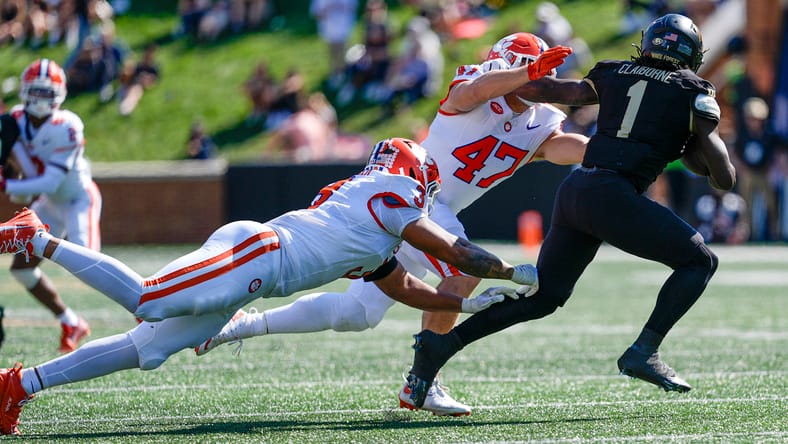
Reuter added, “Claiborne’s the speed back Minnesota needed to boost its running back production; he deserved to be picked at least one round earlier. The Vikings should have added a center and a wideout in this draft, but they waited until Round 7 for Gerhardt and did not select a receiver.”
The “3 Years” Speech
No one truly knows how a draft class will ultimately perform in April. The real answers emerge a few years later, as players either establish themselves, develop, or fade away.
Consider the 2015 draft: Danielle Hunter, initially labeled a questionable pick, proved critics wrong. He went on to become a five-time Pro Bowler and one of that class’s best value selections. It illustrates the significant gap between immediate draft-night reactions and long-term reality.
Consequently, the deluge of grades and rankings immediately following the event serves more as content than genuine evaluation. They fill a void, drive conversation, and provide fans with something to discuss. For the current class, a meaningful timeline for assessment likely begins around 2029. That’s when player trajectories will truly come into focus, and the initial noise will have cleared.
Until then, pundits feel great about assigning grades mostly in the ‘C’ range for Minnesota.

You must be logged in to post a comment.